
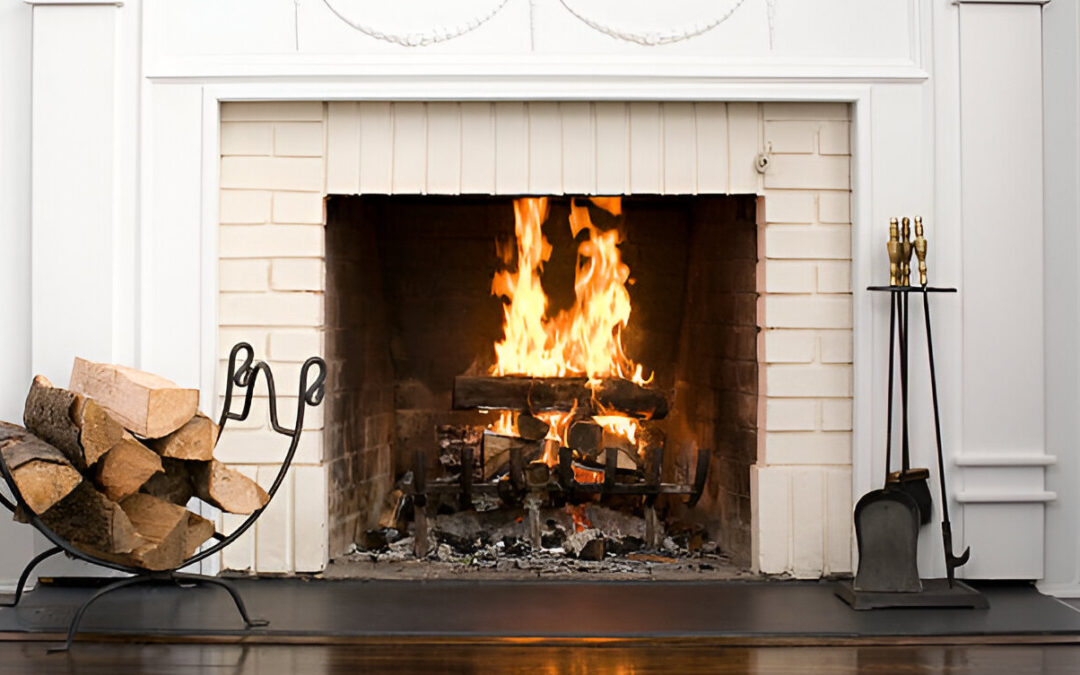
Fireplace & Wood Stove Permit Ottawa: Installation Guide
🔥 Quick Answer
Ottawa requires a building permit for every fireplace and wood stove installation — including wood stoves, pellet stoves, fireplace inserts, factory-built fireplaces, and masonry fireplaces. You must submit floor plans, a cross section showing chimney details, and the manufacturer’s installation manual. After installation, a WETT inspection is strongly recommended and typically required by your insurance company. You cannot use the appliance until the City’s building inspector has approved the installation.
Adding a fireplace or wood stove to your Ottawa home creates warmth, ambiance, and backup heating for our long winters. But solid-fuel appliances involve fire, extreme temperatures, roof penetrations, and combustion gases — which is why the City of Ottawa and the Ontario Building Code regulate every installation through a mandatory building permit process.
At Architectural Drawing, we prepare the permit drawings Ottawa Building Code Services requires for fireplace and wood stove installations. This guide walks you through every step — from which appliances need permits to the drawings, inspections, WETT certification, and costs involved.
Which Appliances Require a Permit?
The City of Ottawa requires a building permit for all solid-fuel burning appliance installations. There are no exemptions based on size or type. Here is every appliance category covered:
Note about gas fireplaces: Gas fireplace installations are regulated by the Technical Standards and Safety Authority (TSSA), not the City building permit process. Your licensed gas fitter handles the TSSA permit. However, if the gas fireplace installation involves structural work (new chimney chase, wall framing), a building permit is still required for those components.
Drawing Requirements for Your Permit Application
Ottawa Building Code Services specifies exactly what must be included in your fireplace or wood stove permit application. Here is the complete drawing package:
The most critical drawing element is the cross section. It must show the chimney’s complete path from the appliance through every floor, ceiling, and roof penetration — with firestop details at each combustible surface and the chimney height above the roofline. The cross section is where most deficiencies occur, so getting it right the first time saves weeks of resubmission delays.
If you do not have the manufacturer’s installation manual, the appliance must follow the default requirements in CSA B365 (Installation Code for Solid Fuel Burning Appliances and Equipment), which specifies more conservative clearances than most certified appliances require. Your designer will reference either the manual or CSA B365 on the drawings.
Need Permit Drawings for Your Fireplace or Wood Stove?
Floor plans, cross sections, and chimney details — we prepare the complete drawing package Ottawa Building Code Services requires.
(613) 518-1387
Key Installation Requirements Under the Ontario Building Code
Every fireplace and wood stove permit in Ottawa is reviewed against the Ontario Building Code (OBC Sections 9.21 and 9.22) and CSA B365. Here are the critical requirements your installation must meet:
Pro tip: Measure your clearances before purchasing a stove. Every model has different clearance requirements — choosing a stove with less restrictive clearances is often cheaper than building heat shields or repositioning walls to accommodate one with wider requirements.
WETT Inspection: What It Is and Why You Need One
WETT stands for Wood Energy Technology Transfer. A WETT inspection is a separate process from the City building permit — it is performed by a WETT-certified inspector after your appliance is installed and verifies that the installation meets national safety standards (CSA B365 and the Ontario Building Code).
Most Ontario insurance companies require a current WETT inspection report before they will issue or renew a homeowner’s policy for a home with a solid-fuel appliance. You will also need a new WETT inspection if you change insurance providers or when you sell your home — even if you have a report from the original installation. WETT inspections typically cost $200–$450 depending on the complexity of the installation.
The Permit Process: Step by Step
Here is the typical timeline from planning to first fire for a fireplace or wood stove installation in Ottawa:
Step 1 — 1–2 Weeks
Choose Appliance & Designer
Select your stove or fireplace (confirm it is ULC/CSA certified). Hire a BCIN designer to prepare the permit drawings. Provide the manufacturer’s manual.
Step 2 — 1–2 Weeks
Prepare Drawings
Designer visits site, measures clearances, documents chimney path, and produces floor plan, cross section, and Schedule 1 form.
Step 3 — 5 Business Days
City Review & Permit Issuance
Submit application online through MyServiceOttawa. City targets 5-business-day review for small homeowner projects. Permit fees payable at submission.
Step 4 — 1–3 Days
Installation
WETT-certified installer performs the installation following the approved drawings and manufacturer’s instructions. Keep drawings on site at all times.
Step 5 — 1–2 Weeks
Inspections & WETT Report
Book City building inspection (48 hours advance). Arrange separate WETT inspection for insurance documentation. Once passed, permit is closed and appliance is approved for use.
Total timeline: Approximately 4–7 weeks from hiring a designer to first use — faster if your drawings are deficiency-free on the first submission. For more on Ottawa’s review process, see our building permit timeline guide.
How Much Does It Cost?
The permit and drawing costs represent a small fraction of the total installation investment but provide legal compliance, insurance coverage, and resale documentation. Skipping the permit to save $1,000 can cost tens of thousands in fines, insurance claim denials, or removal orders when you sell. For a full overview of drawing costs across project types, see our pricing guide.
Frequently Asked Questions
Do I need a permit to install a wood stove in Ottawa?
Yes — the City of Ottawa requires a building permit for every wood stove installation without exception. This includes the stove itself, the chimney system, and any structural modifications to accommodate the chimney through floors and the roof.
Do I need a permit to replace an existing wood stove?
If you are replacing a certified stove with another certified model using the same chimney and the clearances are equal or less restrictive, you may not need a new building permit — but you should always confirm with Ottawa Building Code Services at 3-1-1. If the new stove has different clearance requirements or you are modifying the chimney, a permit is required. A new WETT inspection is recommended regardless.
Can I install a wood stove myself?
Ontario’s homeowner exemption allows homeowners to perform their own construction work, but a building permit is still required and the installation must pass all inspections. Due to the fire safety risks and insurance implications, professional installation by a WETT-certified installer is strongly recommended. Many insurance companies specifically require installation by a WETT-certified professional.
What is the difference between WETT and the City building inspection?
The building permit is a legal requirement from the City of Ottawa — you need it before installation begins. The WETT inspection is an independent certification performed after installation that verifies code compliance and is typically required by your insurance company. You should have both: the permit for legal compliance and the WETT report for insurance coverage.
Can I install an uncertified or antique wood stove?
Technically, the Ontario Building Code allows installation of uncertified stoves under the stricter clearance rules in CSA B365 — which means wider clearances from combustibles than certified models require. However, most insurance companies will not insure a home with an uncertified wood stove. Check with your insurer before purchasing an antique stove.
Does a fireplace insert need a chimney liner?
Yes — the Ontario Building Code requires a stainless steel chimney liner installed from the insert collar to the top of the chimney. The liner must run the full height of the chimney — partial liners are not permitted. The existing masonry must also have a minimum 190 mm of solid masonry between the smoke chamber and any combustible materials.
How long does the permit take for a wood stove?
Ottawa classifies fireplace and wood stove installations as small homeowner projects with a 5-business-day review target. Add 1–2 weeks for drawing preparation. Total from hiring a designer to permit in hand is typically 3–5 weeks. See our building permit timeline guide.
Do I need CO alarms with a wood stove?
Yes — Ontario’s Fire Code requires CO alarms adjacent to each sleeping area and on every storey of any home with fuel-burning appliances. Updated requirements effective January 1, 2026 expanded these rules. Your building inspector will verify CO alarm placement during the final inspection.
What happens if I install a wood stove without a permit?
The City can issue stop-work orders and fines. More critically, your home insurance may be voided if a fire occurs from an unpermitted installation — potentially leaving you personally liable for all damages. When you sell, the buyer’s home inspector or lawyer will flag the installation, and you may be required to obtain a retroactive permit (with the appliance removed for inspection) or remove the stove entirely. The risks far outweigh the permit costs.
Can I submit the permit application online?
Yes — Ottawa accepts fireplace and wood stove permit applications online through MyServiceOttawa. Electronic applications must include drawings at 11″ × 17″ or smaller. Your designer can submit on your behalf as your authorized agent. For an overview of the full submission process, see our building permits guide.
Ready to Install Your Fireplace or Wood Stove?
We prepare the floor plans, cross sections, and chimney details Ottawa Building Code Services requires — so your installation is permitted, inspectable, and insurable.
(613) 518-1387